|
In 2018 I was lucky enough to visit the Tolkien: Maker of Middle Earth exhibition at the Bodleian Library in Oxford.
The exhibition displayed an array of drafts, illustrations and maps for The Hobbit and The Lord of The Rings, as well as some of J.R.R. Tolkien’s early paintings and other objects such as fan mail and private letters. I gained a real sense of the depth and scale of Tolkien’s creation, and how his formidable imagination poured out prose, poetry and art.
And the exhibition reminded me how important Tolkien, and in particular The Lord of the Rings, has been to my own creativity – although there are many wonderful authors whose books fascinate and inspire me, I have little doubt Tolkien is the author who first sparked within me the desire to write fiction.
My first encounter with Tolkien was watching Ralph Bakshi’s animated The Lord of the Rings on VHS as a child. At the time, I didn’t fully understand the film (and it is fair to say it divides fans of the book - I’m very fond of it though) but the imagery, especially the Black Riders and the scenes in the Mines of Moria, stayed with me and when a little older, about fourteen, I decided to read The Fellowship of the Ring.
Although familiar with some elements of the story from the film, I soon realized that there was more, so much more, to discover in the book, and not just the main narrative, but the many other details and subplots: such as the Barrow Wights, old Tom Bombadil, the wolves pursuing the fellowship to the gates of Moria. Somehow, the experience of reading is more intense as a child or young person – for example, I can well remember the first time I read books such as Watership Down and The Lion, the Witch and the Wardrobe. The Fellowship of the Ring surpassed even these, and I still have the same paperback – it has been with me through university and several house moves since; it is battered, torn and the spine is held together (more or less) by sellotape, but I treasure no book more.
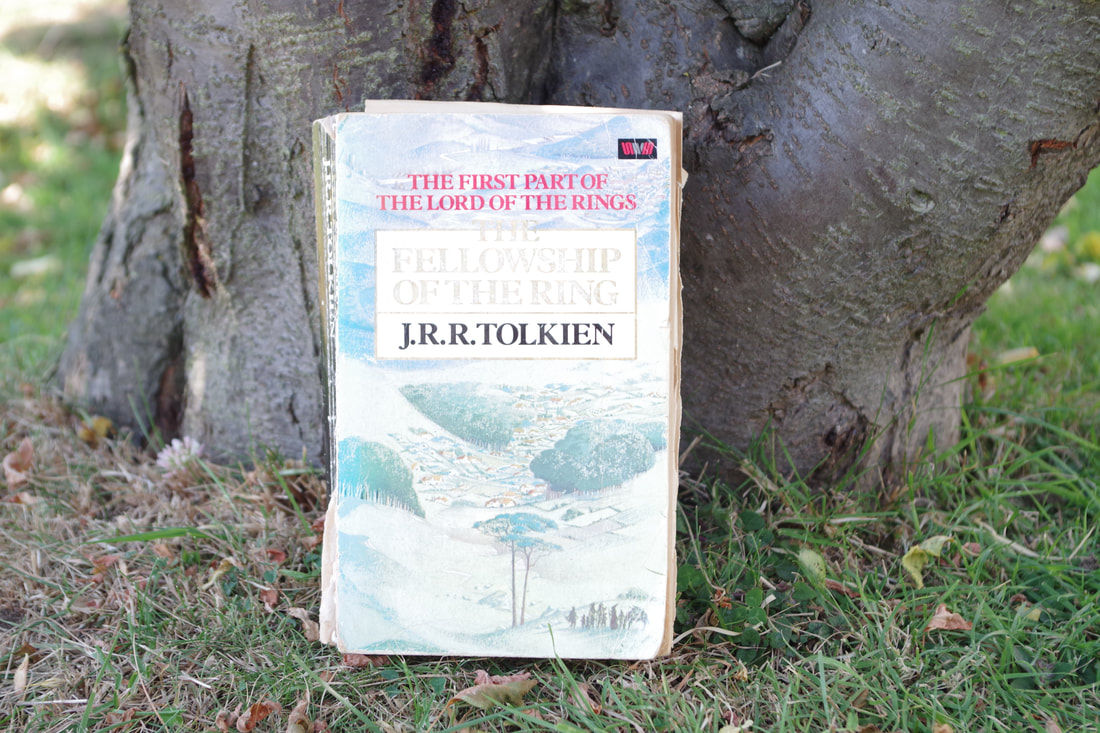
My battered, beloved copy of The Fellowship of the Ring
And of course, once I’d finished The Fellowship of the Ring, I was hungry for more! My brother kindly picked up The Two Towers from the library close to where he worked and I can still remember my excitement at first seeing the cover, which showed the Eye of Sauron. From the excitement and heroism of Helm’s Deep to the horror of Shelob, the story engrossed me, and for a few days I resented interruptions such as sleep and meals! And then from The Two Towers to the climatic Return of the King, where the word epic hardly suffices, with the mighty struggles at Minas Tirith and the last stand in front of the Gates of Mordor, and of course Frodo and Sam’s painful journey to Mount Doom. I remember being struck, and moved, by the sense of melancholy at the end of the story. Sauron and Saruman had been defeated, but at great cost, from the light of the Elves departing Middle Earth, to the pain and sadness of Frodo.
No book had had such an impact on me before, and I don't think one has had such an impact since. After finishing The Lord of the Rings, I launched into The Hobbit and The Silmarillion, and then read many other books by and about Tolkien - he became my writer, the writer who seemed to capture the things I was fascinated by, moved by, and I'm sure thousands more have felt the same! Tolkien’s detractors frequently dismiss his books as quaint, juvenile, somehow out-of-step with modern concerns and styles, but I think this underestimates his work. Although Tolkien famously disliked and dismissed allegory, The Lord of the Rings holds relevance for today’s world, from the ecological damage wrought by rapid industrialization, to the misuse of power, and the elimination of indigenous people. Tolkien had a respect for the simple pleasures of life, for the beauty of the natural world, and the importance of playing our part in preserving rather than exploiting. To use a personal example, the village in which I live is being progressively bloated by new housing, new developments, with acres of meadows and fields disappearing under concrete, hedges and trees – each home to a delicate ecology – ripped up to make way for new roads, the songs of birds and the hum of insects replaced by the remorseless and deadening drone of traffic. The malevolent spirit of Saruman endures – his Voice lives on, potent and cunning, cloaked in fine words such as ‘innovative planning solutions’ and ‘sustainable locations for development’. Tolkien had witnessed such ‘progress’ in his beloved Midlands, and his fears and anger about this helped fueled the creation of The Lord of the Rings. We would do well to heed his dire warnings. 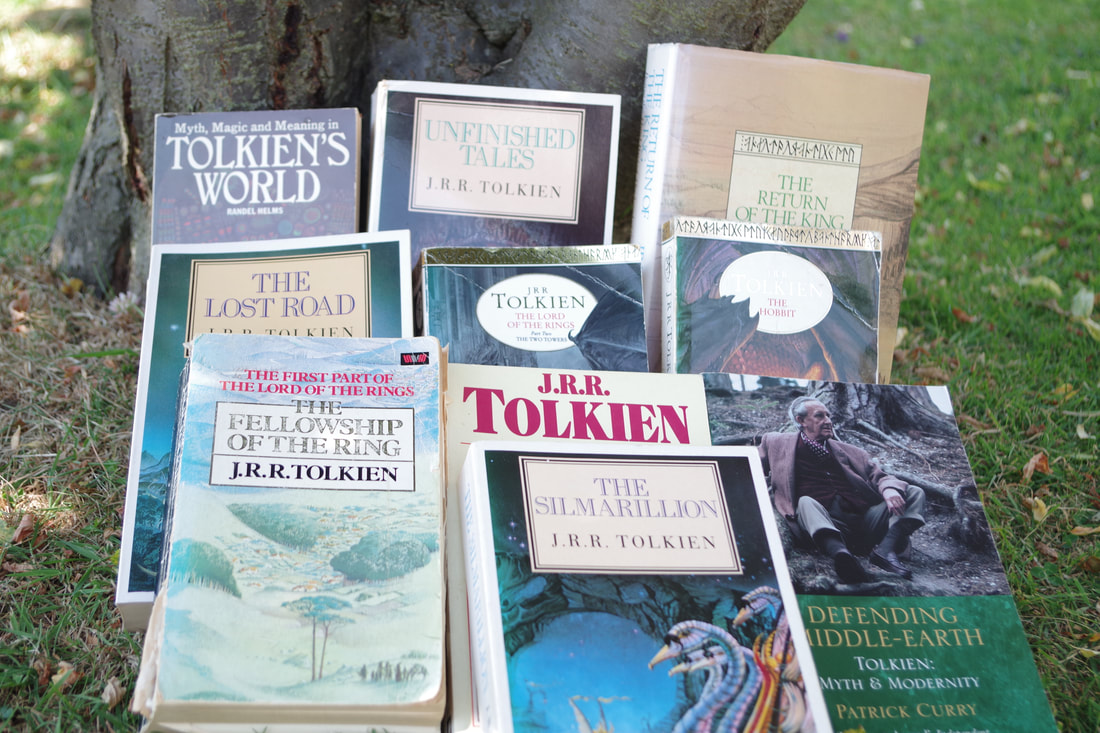
A few books from my Tolkien collection!
And even putting aside the powerful themes of The Lord of the Rings, it is still a story that gives immense pleasure to readers – the joy of a good story well-told is surely a primal human trait, because we are, I believe, profoundly storytelling beings. Steeped in Beowulf, the Kalevala, and countless other tales, Tolkien built his stories on strong foundations, which is one of the reasons why Middle Earth feels simultaneously magical and familiar.
Tolkien’s work has influenced my writing, most directly The Tree of Life trilogy, and not just in the sense that it is an epic fantasy story across a ‘secondary world’ with hundreds of characters and different cultures, but I wanted to capture similar themes to those present in The Lord of the Rings – for example, the sense of a threatened environment, even a dying world, pervades the whole series from the first book (The Map of the Known World) onwards. My most recent novel, This Sacred Isle, echoed Tolkien not only in its mythological roots and elements, but also, being set in Anglo-Saxon England, the influence of Beowulf, one of Tolkien’s literary and imaginative touchstones, is strong. And above all, I strive to create books for readers to get lost in, to capture something of the sense of escapism and wonder I discovered reading The Lord of the Rings. I would never claim to be in Tolkien’s class as a writer, but he inspires me to write, inspires me to push my creativity as far as possible. Reading tastes and habits change and broaden over the years, but I will always hold Tolkien’s work, and especially The Lord of the Rings, in the highest regard. Tolkien has been a key part of my imaginative life since childhood and I am certain that will never change. Which author has most influenced and inspired you? Add a comment and join the conversation. If you’re interested in my writing, you can get the ebook version of my first novel - The Map of the Known World – for just 99p / 99c or FREE to read with Kindle Unlimited. Please see the following Kindle preview:
2 Comments
Completing a first draft is a key milestone in the long process of writing a novel. Although it is most definitely not the end of the process, it certainly is the culmination of a considerable amount of research, planning and writing. In a slow literary alchemy, dozens, hundreds of scribbled notes, fragments of descriptions and segments of dialogue have been transformed into a (more or less) coherent narrative. The journey is not yet complete, but I think it is important to take a moment to reflect that reaching the end of a first draft is an achievement in itself, and a crucial staging post on the road to the final destination – a completed and published novel. I have discussed in a previous blog post my process for writing a first draft and have recently finished the first draft of my latest novel, a dystopian SF story called Second Sun. It has been an enjoyable, if testing, draft to write – the research / planning took longer than expected, and the setting proved to be more complex than I had initially expected. However, this is, for me, one of the chief joys of writing a novel – the opportunity to learn new things; for example, as part of the research I have delved into subjects as diverse as the poetry and art of William Blake, the history of the Avebury stone circle, and 1970s space rock. I was also lucky enough to visit the sublime Living with Gods exhibition at the British Museum, which both helped to inspire my writing and shape some of the themes of the book. I believe learning derived through research is valuable not only for writing, but for life in general, and I welcome the chance to explore subjects I otherwise would perhaps miss. So, once the first draft is completed, what is the next step? Well, lots of reflection and lots of revision. At this point, you need to step back and look at your first draft with a fresh pair of eyes to understand the weaknesses and (hopefully!) strengths of your work. It can be a dispiriting experience – I always find the quality of my writing and storytelling is much lower than I expected; I stumble across glaring inconsistencies, there are pacing issues, needless repetition, and a myriad of other problems. It is easy, and understandable, to feel at this point like giving up, or starting again from scratch. The important thing I always try to remember is that it is a first draft – no one else needs to read it, there is a lot more work to do and the final published version will be much, much stronger.
Even putting aside the quality of the writing, I always find my first draft is different, sometimes very different, from the idea of the book I had in my mind’s eye. Unexpected themes emerge, and characters who I originally perceived as relatively minor players develop into leading roles; this is certainly true as I begin to read back the first draft of Second Sun. For example, one character, a former soldier named Jael, was, in my original plan, only in the story for a short time – however, the more I wrote about Jael, the more I found her an interesting, challenging character with strong potential for a rich and resonant back story, and a good counterpoint to the main character. I like writing Jael, I think I found her voice quite quickly, and the more deeply she is involved with the narrative, the better the story becomes. In this way, reading back and revising your first draft becomes something of a journey of discovery, both revising familiar, expected components of the story, and finding new, unexpected elements. As I begin to work on the next draft of Second Sun, I know I will add new ideas, and remove and reshape existing ones – this will continue both throughout all future drafts too. There is lots more work to come, but in the months ahead I look forward to gradually developing my somewhat messy first draft into a final book that I hope readers enjoy. How do you feel when you've just completed a first draft of a story? Leave a comment and join the conversation. If you’re interested in my writing, you can get the ebook version of my first novel - The Map of the Known World – for free, from Amazon, Nook, Kobo, iBooks or Smashwords. Writing the first draft of a book is tough, exciting as well, but definitely tough. I’ve blogged previously about the first draft of my last novel, This Sacred Isle, and some of the challenges faced, and now I back in the same place, writing the first draft of my new SF novel, Second Sun. So what is Second Sun about? Well, in very high-level terms, Second Sun is set in a present day but alternate Earth roughly thirty years (the timescale is important, for reasons I won’t reveal here) after a successful alien invasion, an invasion that was welcomed and supported by much of humanity. Despite their conquest, which has become known as the Redemption, the aliens largely allow humans to continue their lives as they see fit, although the conquerors proudly claim to have reduced the threat of war, especially nuclear conflict, in an effort to herald in a new era of peace. The aliens work through the human proxies and encouraged a society which places the highest value on personal enrichment and self-actualisation. For many, it is a utopia, but there are whispered rumours of discontent, rumours that challenge the aliens’ claim of benevolence… The main character of the story finds himself, unwittingly at first, drawn into the schemes of the Union, a revolutionary movement sworn to overthrow the rule of the aliens. As the story develops, and he is drawn into ever greater danger, he slowly begins to discover the true nature of the alien rule, and of the depths of human cruelty. Inspired by SF greats such as Philip K Dick and John Christopher, and dystopian books such as 1984, Brave New World and We, I have long wanted to write a SF novel and although I do not consider myself in the same league as those inspirational works and their creators, I feel that I have developed enough as a writer where I can strive to create the kind of SF book I would want to read and others would enjoy. In the development of this story, I have drawn together a range of inspirations and themes, such as ancient mythology, Outsider Art, fear of the survelliance state and the effects of materialism. I have researched extensively and made copious notes – most of them ending up in the notebook below, along with other ideas and thoughts scribbled down on whatever piece of paper I had to hand! 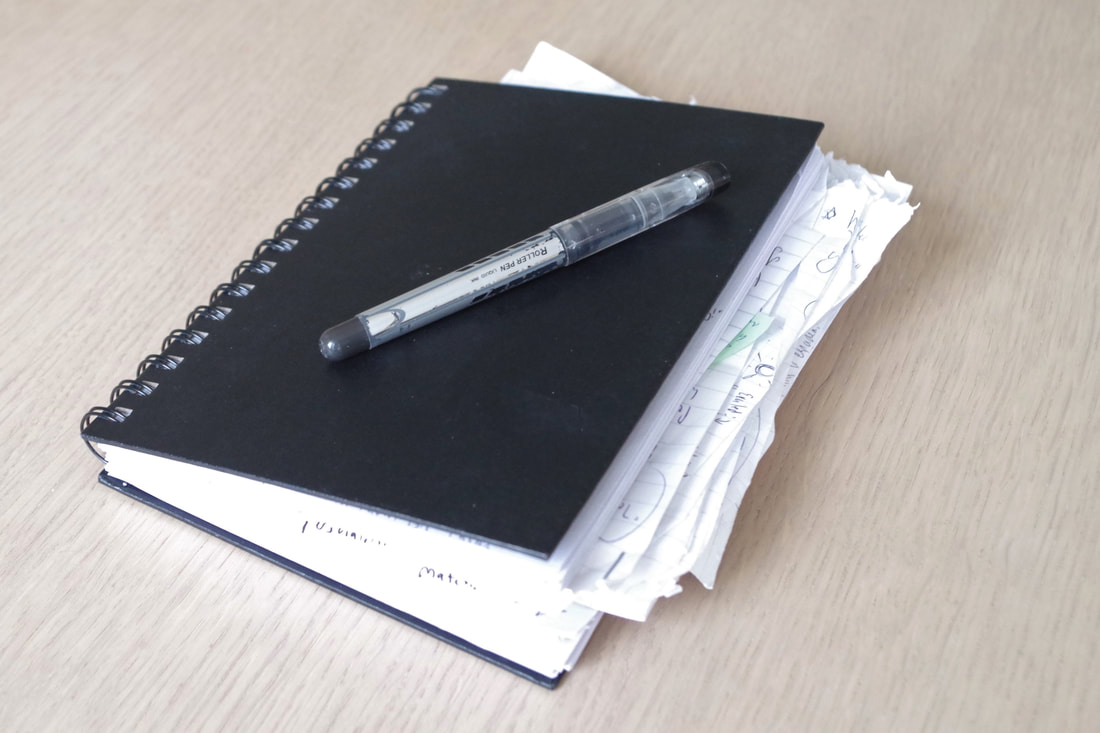 Following my research, I developed a ‘treatment’ for Second Sun, which in essence is my plan for the novel, and this took some months of work. And from this treatment I am now working on the first draft – however, although I plan extensively, I certainly allow myself considerable bandwidth to amend the story as I go along. Just because I have planned a certain character or plot point does not mean I consider it cast in stone – my planning gives me some structure, confidence that I will be able to get to the end of the story without getting too lost or succummbing to the worst ravages of writer’s block, but it is not the final product, I am still open to new insights, and I hold the belief that a writer has to always scrutinise and challenge his or her ideas and be ready to amend any detail to better serve the story.
For Second Sun, I have completed the first (of six planned) chapters and am working through the second. I do find those first few pages challenging, a bit like exercise if you have been resting for a long time, but I am definitely starting to get into the rhythm. To maintain motivation and focus, I set myself a monthly word count target of 15,000 words (approximately an average of 500 words a day), which is a testing but realistic objective. I am expecting Second Sun to be a relatively short novel, probably in the region of 60,000 words, so I hope to have a complete first draft by the end of January 2018. I try to write every day (I am very conscious of the maxim of ‘never a day without a line’) to help build and maintain momentum. At the moment, Second Sun is progressing well, the characters are taking shape and I have plenty of ideas, but I’m not fooled into thinking that there aren’t tricky times ahead! From my experiences of writing This Sacred Isle and the Tree of Life trilogy, I am acutely aware that although starting and finishing a first draft can be difficult, perhaps the hardest part is the midway of the book, where tiredness starts to kick in and a little of the optimistic excitement you feel at the first page is ebbing away. There is no easy answer to this – I just know I have to keep going and not panic if the pace slows and the ideas stop flowing. Word by word, line by line, paragraph by paragraph, the book will take shape and the end will come into view. And of course, when the first draft is completed, the next task is months of editing – well, no-one said writing a book is easy! What do you find most difficult, and rewarding, about writing a first draft? Add your comments below and join the conversation. It is now one year since This Sacred Isle was first published, and how those twelve months have flown by! To celebrate this first year, I am holding an exclusive Smashwords offer - where you can pay what you like for the ebook version of the book! Yes, that's right, pay what you like - even nothing! Offer ends on 1st November 2017, so if you fancy reading an epic fantasy adventure set in Dark Age Britain, featuring warriors, dragons and the return of Merlin, then go straight to the link below and begin the quest. . . https://www.smashwords.com/books/view/662994 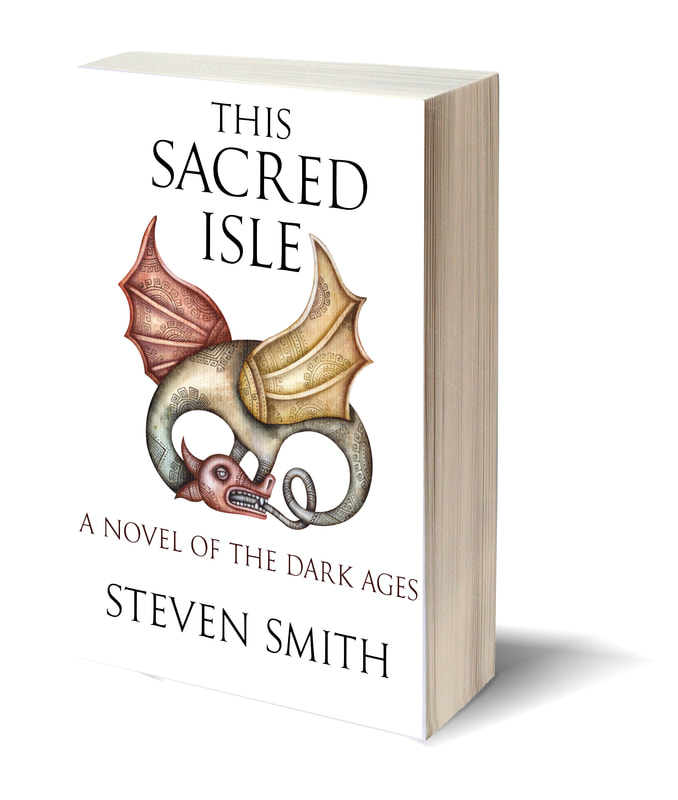 All authors draw on a wide range of inspirations for their stories – they use real-life experiences, their concerns about their world, books they have read. For me, and I suspect many other writers too, visual art is hugely important for inspiring and shaping my novels. In the early stages of planning and writing a new novel, I always try to visit art galleries, and as well as being enjoyable experiences, I always come out fizzing with ideas – paintings and sculptures suggest to me scenes, characters and ideas. I am fortunate to live relatively close to London and Cambridge, and so have access to the incredible art galleries there, many of which are free to enter! 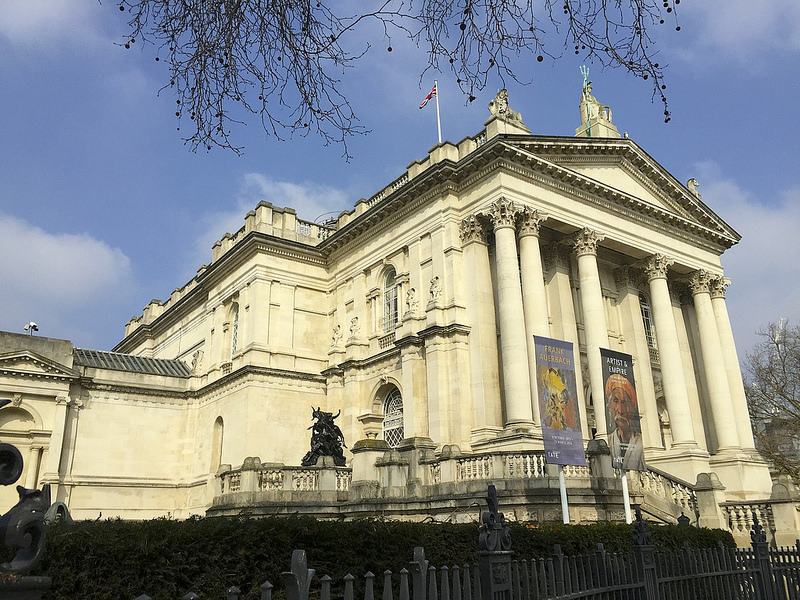 The Tate Britain in London - a place of endless inspiration! I believe art allows us to see the world from different perspectives, to challenge our assumptions and beliefs. Art can make us all feel a little less alone in this world – it can provide a safe space for us to consider and explore feelings and fears we might otherwise feel uncomfortable in confronting. Although I could never claim to come close to matching the insights and skill of the artists who are important to me, I hope their work can unlock new dimensions in my own work. I also try to remember that the masterpieces hanging on the gallery wall are the product of years of dedication, of learning, of mistakes and experiments – they did not come easily to the artist, their high level of achievement had to be earned. And when I am battling through the writing and editing of a book, I find that an encouraging thought! I see each book I write as an opportunity to learn new things, especially about art. I am certainly not an expert in art or art history, but I find it an endlessly absorbing subject, as there are always new artists and works to discover. When writing The Tree of Life trilogy, a number of artists were important to me in developing the landscapes and inhabitants of my invented fantasy world, for example the nightmarish creations of Hieronymus Bosch, the dark visions of Francisco Goya and the mysterious paintings of Arnold Bocklin (whose The Island of the Dead painting was a key image for The Last Days, the final book in the trilogy). I also found great inspiration in Assyrian sculpture, and enjoyed many happy visits to the Assyrian palace relief rooms in the British Museum, absorbing this intricate, undeniably powerful work. 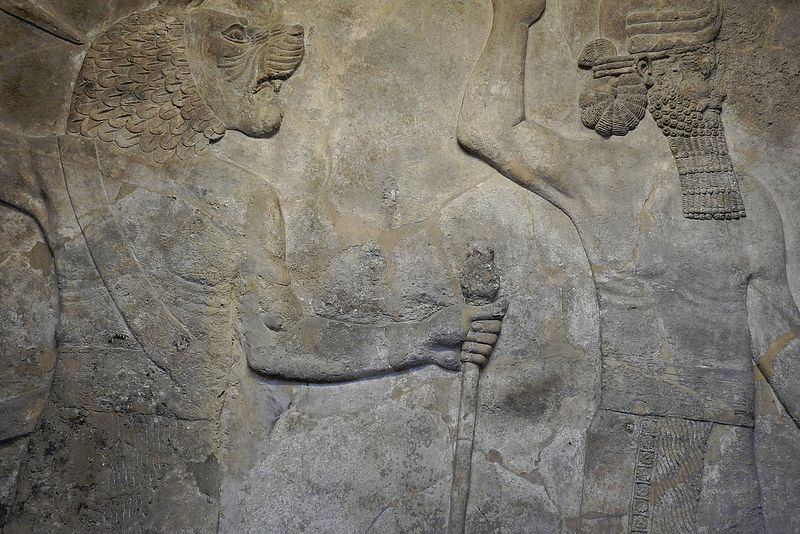 I hoped that, in some small way, absorbing the work of such artists not only broadened my own knowledge, but provided extra depth to my writing, and made my fictional worlds a little more convincing. When I wrote This Sacred Isle, I continued this fascination with art and there were several specific paintings that heavily influenced imagery within the book, for example Three Studies for Figures at the Base of a Crucifixion by Francis Bacon, Apollo and Python by JMW Turner, An Experiment on a Bird in the Air Pump by Joseph Wright of Derby, Mammon by George Frederic Watts and The Ghost of a Flea by William Blake. But for This Sacred Isle, two artists were particularly important to the book’s development and symbolism, although both are painters from a far more modern era than the novel depicts. In the work of symbolist painter Odilon Redon, I discovered enigmatic images that chimed with the dreamlike atmosphere I was searching for in certain scenes of the book. And I never failed to be inspired by the paintings of Paul Nash, possibly my favourite painter. It was crucial to me to establish the landscape of This Sacred Isle as a character in its own right, and to hint at traces of history it had witnessed and sustained. Paul Nash had an intense and deeply personal relationship with certain landscapes such as the Wittenham Clumps and Avebury, landscapes he claimed possessed a quality he named the genius loci. I have written before about the influence of Paul Nash on my work (see my earlier blog post), and I am sure this influence will endure through all my future stories. Art is certainly central to Second Sun, the SF book I am currently writing, in particular the concept of ‘Outsider’ or ‘Naive’ Art. I am fascinated by art produced by untutored artists working outside of the normal conventions of the art world. For example, the primitive quality of Alfred Wallis’s paintings has inspired one of the key characters in the novel, ‘The Captain’, who produces art not to sell, not to achieve fame, but to preserve memories of things now lost. I loved the sense of an artist expressing a profound, unorthodox view of the world, totally at odds with the norms of society. I was fortunate enough to view a small display of Wallis’s paintings at the Fitzwilliam Museum in Cambridge, and seeing them close up demonstrated the raw power of his approach to scale and perspective, and the muted colours seemed to heighten their drama. The work of Alfred Wallis, and discovering more about his life, unlocked for me the character of ‘The Captain’, who although is absolutely not Wallis, does share some of the same motivations and obsessions. 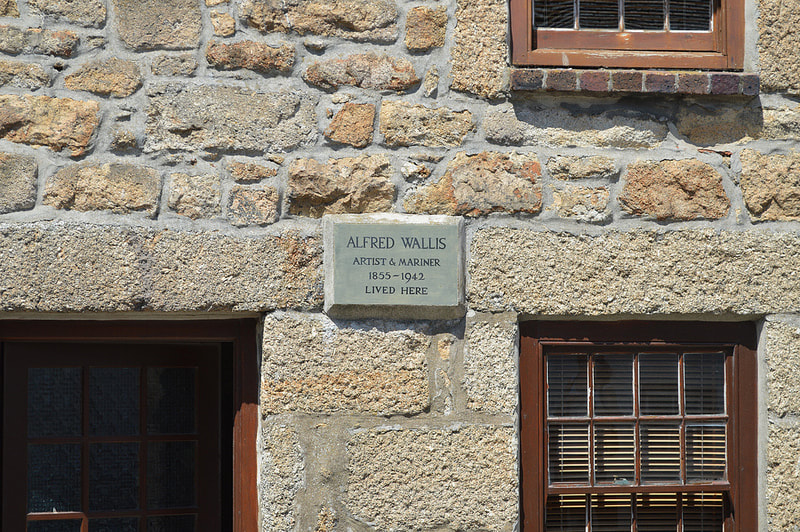 Away from ‘Outsider art’, a number of other painters and sculptures continue to influence the imagery and atmosphere of the novel. The paintings of Australian artist Jeffrey Smart also resonated strongly with me as I began to plan Second Sun. I have kept his empty, somehow dislocated urban landscapes very much in mind when creating the setting of my novel. The narrative paintings of Paula Rego (definitely one of my favourite artists) also fascinate me, both for the challenging, often violent themes she explores and for the way she weaves fairy tales and legends in her paintings as powerful symbols, something I am attempting to do (though with much less skill than Rego, I’m sure!) with Second Sun. And finally, the sculpture is a vital influence for this book: for example, the enigmatic figures produced by Antony Gormley (especially installations such as Event Horizon), and the smooth, rounded forms of Barbara Hepworth’s sculptures, will in different ways shape elements of the story.  I hope this post gives a sense of the importance of art to me as a person and specifically as a writer. I look forward to discovering new artists, exploring their unique perspectives and letting their work encourage me to push myself further with my writing.
Who are the artists who influence your life and work? Leave a comment and join the conversation. We all love a memorable villain – they can elevate a story and challenge a hero to the utmost of their limits. Think about the unforgettable impact of characters such as Voldemort and Darth Vader; their deeds repel us, but we find them fascinating. The very best villains allow us to thrillingly explore those aspects of our personality we normally hide! So, if you are writing fantasy fiction, how can you create a villain that will excite and grip your readers? I know from writing The Tree of Life trilogy and This Sacred Isle, it can be a fun and demanding challenge. In this post I’ll look at three ways you can develop a worthy adversary for your hero. Make your villain three-dimensional. Never forget that your antagonist is a character, not just a convenient plot device. You must understand their motives and perspective. Everybody is the hero of their own story – however cruel and selfish our behaviour, we are all capable of holding an internal narrative that depicts our actions as noble and justified. If you make your villain evil for evil’s sake, they can come across as flat, one-note characters. Instead, strive to show what motivates their actions, what quirks of personality and experiences have driven their behaviour. A fine example of this is from Tad Williams’s majestic series Memory, Sorrow and Thorn. The chief protagonist is the Storm King, who although in many ways represents the typical ‘Dark Lord’ actually transcends this trope. The Storm King does not act out of simple-minded evil, for his dark sorcery is a reaction to the suffering and near annihilation of his people (the Sithi) at the hands of the humans. In my novel, This Sacred Isle, the main antagonist is Merlin – he is far removed from the wise, benevolent mentor of King Arthur. The slaughter of the Dark Ages and the suffering endured by his people has left him bitter and vengeful. Worn down by the cruelty of Man, he seeks to cleanse Britain of those he sees as usurpers. Yes, Merlin’s plan is merciless, but he believes, truly believes, he has no choice. A well-written villain should explore the darker sides of our nature, sides we all possess; they should ask an implicit question of the reader: “If I had their power, how would I act?” Make your villain a worthy foe You must make sure your antagonist is as least as strong as your hero. They should possess the very real ability and intent to ruin the hero’s life, for it is through meeting this challenge that the hero will prove worthy. If your hero can easily overwhelm the villain, where is the tension? In the traditional story arc, the hero should through the course of the story develop the skills, allies and strength required to face and defeat the villain. And villainy might not just be a simple test of physical strength or magical power. One of the ways an antagonist can threaten a hero is to try to exploit their weaknesses by tempting them to follow an evil path and betray their cause – the idea of a hero being corrupted is in some ways more chilling than any threat to their life. Think how close Luke Skywalker strayed towards the dark side. Consider how the One Ring all but consumed Frodo Baggins. The fact that such heroes were tempted by evil does not diminish their heroism – it humanises them, makes them relatable and actually elevates the bravery of their defiance. A villain should push the hero to the extreme, to the point where they question everything they have learned, everything they have believed. And it is at this moment, that true heroism is revealed. 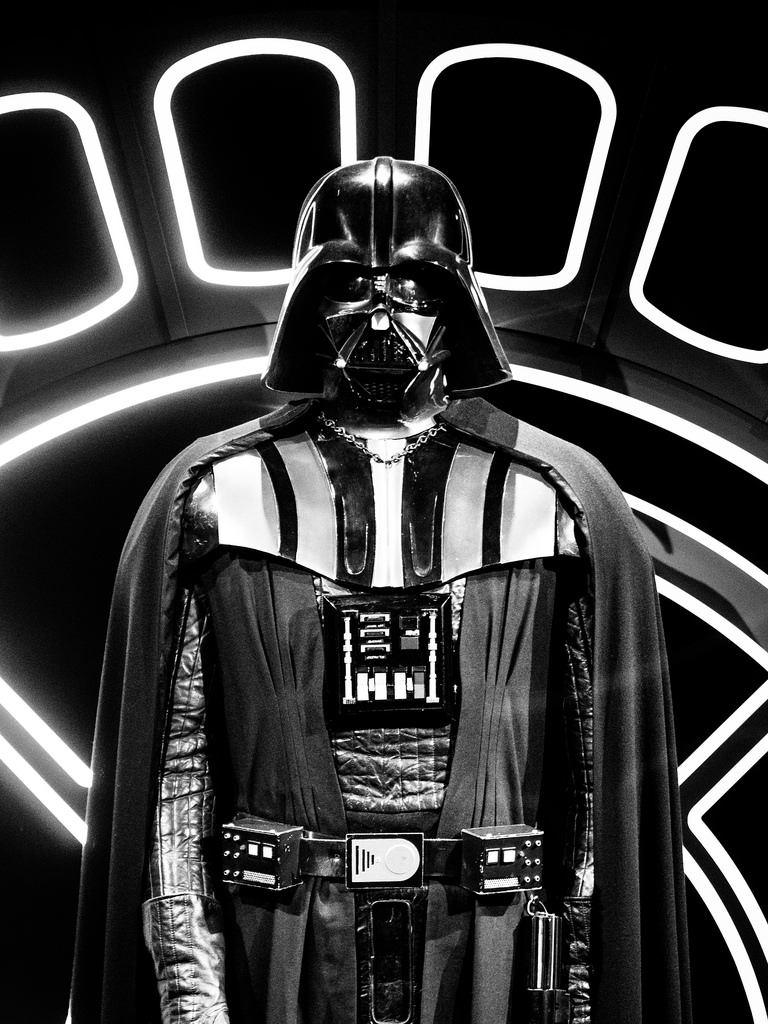 Darth Vader - a powerful and memorable villain Keep your hero and villain in contact For the purposes of your story, your hero and villain need each other, are often defined by each other. If they are in close proximity during the tale, then it is obviously easier for them to interact. However, do not despair if your story dictates they should rarely meet. This is where you can make use of proxies. The best way to do this is to employ effective proxies, not just mindless henchmen or henchwomen – use characters who have been twisted by the antagonist. A strong example of this comes in the Lord of the Rings; Sauron never meets Frodo, but he exerts his power through, among others, the Ringwraiths and Saruman, who have all been corrupted by the Dark Lord and thus demonstrate his strength and evil intent. Such proxies test a hero’s strength, resolve and abilities, and help to develop a sense of escalating danger as the story moves to the climatic moments. Who are your favourite villains? What makes them some memorable? Add a comment and join the conversation! If you are interested in my fiction, you can download the first novel in the Tree of Life series, The Map of the Known World, for FREE from Amazon, iBooks, Barnes and Noble, Kobo and Smashwords. 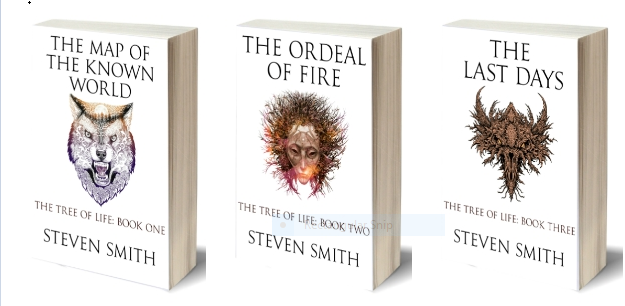 In my last blog post I mentioned the amount of online help available to authors and indie publishers. Over time I’ve grown to appreciate the importance of such websites and they have been a source of advice and inspiration. When I wrote my first novel, The Map of the Known World, it felt a somewhat lonely venture – now with a wide, varied online writing community it is much easier to find advice and get connected to other authors. I’d like to outline five of the best websites out there for writers:  The Creative Penn
This site is run by thriller author JF Penn and is a mine of information and inspiration. The blog is regularly updated with new, relevant articles, keeping readers up-to-date with the latest (and future) trends in the world of indie publishing. There are also extensive archives of articles on all facets of writing and publishing – whatever stage you have reached on your writing journey, The Creative Penn can help you! Ellen Brock I’ve only recently discovered this site, which is run by professional editor Ellen Brock. The site has a wide range of articles and advice on the technical skills of writing – in addition Ellen has a host of videos (which can either be viewed via the website or on YouTube) on writing, publishing and editing, all of which are well worth watching. If you have a query on any aspect of the craft of writing, you are highly likely to find the answer on this website! Self-publishing formula This is the website of best-selling author and self-publishing guru Mark Dawson, and it is chocked full of content, with an excellent range of podcasts that are both fun and highly informative. Alliance of independent authors You could spend many, many hours going through the content on this site and it would be time very well spent! There are articles on every aspect of self-publishing you could possibly imagine (from writing, editing, production, marketing and many more). The site also has a regularly updated blog, jam-packed with useful information and inspiring stories from other authors. As with The Creative Penn, I find this site a good way of keeping up-to-date with trends in the writing and publishing world. Jane Friedman Publishing expert Jane Friedman’s blog covers both traditional and self-publishing topics, including interviews with successful authors and industry figures. Highly professional, thought-provoking articles are the norm here. I would also like to mention a couple of online communities I use. The first is SFF Chronicles – this is aimed primarily at fans of SF and Fantasy, and if you write in either of those genres, then joining this forum is an absolute must. This is a really fun, supportive and helpful community – highly recommended. The second is KBoards, which is a good way of connecting with fellow authors publishing via KDP (it is not limited to authors on the KDP Select programme). This is really only the tip of a very large iceberg, but all these sites, in my humble opinion, give thoughtful, trustworthy advice and can help to inspire and improve your writing skills. The fact that there is so much advice and support (and much of it free) out there means there really hasn't been a better time to be an author. More and more authors are sharing their content, their experiences and discoveries, and passing these onto others. I could never hope to offer advice that matches the quality and depth given by the websites I've mentioned, but I have tried to share my writing experiences - for example, after writing This Sacred Isle, I posted a series of articles looking at different aspects of the journey of creating that book (if you're interested, the first post is here). I really wanted to tap into the supportive and collaborative attitude I have often discovered online, an attitude which can make the lonely job of writing just a little less lonely! Which websites do you use for writing advice? Add a comment and join the conversation. In this post I am going to talk a little about the early stages of my writing journey, and pass on five key tips to help anyone starting to write their first book. I always wanted to write, always wanted to tell stories. However, when, in my very early twenties, I started to devote some serious time and effort to writing, I could not have imagined how long the process would take. My first effort was a thriller novel set in a future Britain that has become part of a United European State (hmm, I didn’t foresee Brexit) – despite a promising start I soon realised my efforts fell far short of my original vision, and certainly were nowhere near professional standard. I threw in the towel after about five chapters. I thought about giving up completely; finishing a book, properly finishing it, seemed an impossible task. But despite this chastening experience, I had caught the writing bug. I wanted to keep trying, so I switched my efforts to a SF novel called Colony. Learning some key lessons from my abandoned first effort (and from reading a number of books on the craft of writing) I made better progress and actually completed a first draft. But on a read-through I realised the story was deeply, irrevocably flawed and my writing was still substandard. I decided not to proceed any further and so Colony became another abandoned project. However, I had at least proved to myself that I had the stamina to create a full draft of a novel.  After two attempts at writing a novel, I focused for a couple of years on writing short stories. The quality was variable, ranging from frankly appalling to passable – a couple of my stories were even published in an indie SF magazine, and I also had some encouraging rejections from prominent genre publications. These early efforts were clumsy (and some of the stories were terrible) – I hated my stodgy, cliché-infected prose and lifeless dialogue. But as I continued to write, something weird happened: I created the odd decent line, not great literature but serviceable prose. Slowly such lines became more frequent. I wrote decent paragraphs, decent sections and decent chapters. Slowly, I was getting better. The two novels had failed, as had most of the short stories, but I had written hundreds of thousands of words in the process, strengthening my authorial muscles. And after years of effort, of often painful practising, of learning, I felt ready to attempt a novel again, and this time I was determined to complete it. I had a plan (I had a trilogy sketched out), so launched into The Map of the Known World. It took years to craft this book and the subsequent instalments in the series, but I applied the valuable lessons I’d already learned, and learned many new ones! And since completing the Tree of Life trilogy, I have written another novel (This Sacred Isle) and am now working on a new story (a SF novel called Second Sun). 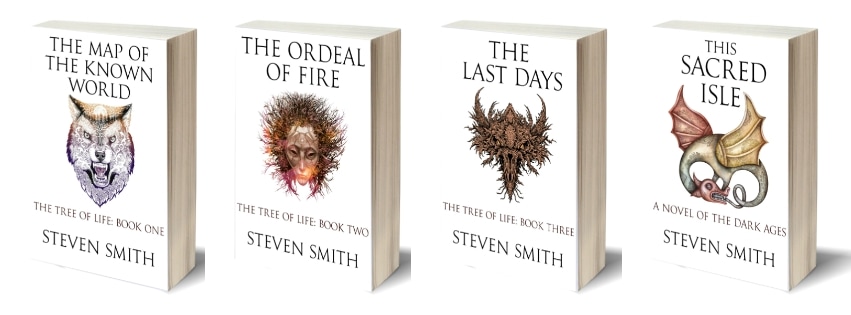 What tips would I give someone in the very early stages of their writing journey? Here are five things I believe are essential, five things I wish I had known when I first put pen to paper: IT TAKES TIME  You will be disappointed by your early writing efforts but try not to be discouraged. Don’t be too hard on yourself and don’t give up - instead allow yourself the time and space to improve. Keep learning about the craft – there are many good books that can help you (please see my blog post on this subject). Think about the novels / short stories you read, what you like or dislike about them. And embrace your early failures – they can be frustrating of course, but they give you valuable lessons. Like most writers, I have my incomplete novels, abandoned stories, but I view them now as experiments, not as worthless failures. Developing your writing skills can be a slow process, but if you keep working, if you keep learning, you’ll improve. HELPING HANDS Writing can feel lonely, very lonely, but don’t despair, there’s lots of help out there – you’re not alone! This is especially true in our digital world. When I started writing, the internet was in its infancy (remember dial-up?) but now there are many websites giving support and sound advice (among the best I would point you to The Creative Penn, Self Publishing Formula and the website of editor Ellen Brock). In addition, there are some fantastic online communities (LinkedIn groups can be valuable, and I also enjoy being part of SFF Chronicles) where you can connect with other authors / creators and share knowledge. If you encounter a problem with your writing, don’t suffer in silence - reach out and I guarantee you’ll find help. And if you can get constructive criticism of your work (many forums allow you to post samples of your work for a critique), even better - some early honest feedback can keep you on track and keep you motivated. KICK PERFECTION INTO TOUCH  You’ve probably already realised this, but in case you haven’t, I’ll say it out loud: perfection is not possible. Yes, by all reasonable means strive to make your writing as good as possible – a professional editor is a must – and demand high standards of yourself, but never EVER expect perfection. You have to learn to let go, otherwise you’ll never finish, you’ll never move on. Get your work out there, whether you send it to an agent / publishing house or indie publish it doesn’t matter – share your work with the world. This can be a difficult obstacle to overcome (I certainly have perfectionist tendencies) but a necessary one if you want to get your work out there. It is your determination that is the key to success, not an obsession with perfection. WRITE OFTEN We all have a myriad of pressures on our time, but it is important, no essential, to write regularly, to develop a writing habit. It doesn’t matter if it’s only twenty / thirty minutes a day – keep to a consistent, regular pattern and you’ll be surprised how much work you can accomplish. Of course, there’ll be times when you feel tired or demotivated but if you can manage to write at those moments then you’ll really be making progress. Some of my best writing and strongest ideas have come when I was writing despite not at all being in the mood! WEB PRESENCE  This last tip moves beyond the actual craft of writing but it is still important if you want your work to reach any kind of audience: you must have a web presence. Get your content out there, blog and tweet – try to make meaningful connections. Don’t wait to finish your novel or collection of short stories / poems first – post about your progress, try to find people with similar interests, other authors, or readers who like the kind of book you are writing. I failed to do this early on and it was a big mistake I made. I hesitated, dithered, took too long before having a website and venturing onto social media, and it is tricky to play catch-up!
It can be daunting to put yourself forward like this. Trust me, I know! I’m not a natural self-promoter (far, far from it, to be honest) but I’ve come to realise it is not promotion, it is not marketing, it is connecting, which is much more valuable and interesting. I hope these tips are helpful for you as you start your writing journey. If you have further tips or observations you'd like to add, please leave a comment below. If you're interested in reading some of my work, you can download the ebook version of my first novel, The Map of the Known World, for FREE from all major ebook retailers. Are you searching for an epic fantasy read? Longing to explore a complex, dangerous world full of rich characters, mysterious cultures and terrible monsters? Then The Tree of Life trilogy is exactly what you are looking for! And even better, you can now own the blistering first novel in the series, The Map of the Known World, for free. The free ebook is available from the following providers: Amazon Kindle Smashwords iBooks Barnes and Noble Kobo So download your free copy and join Elowen in her dangerous and thrilling quest... 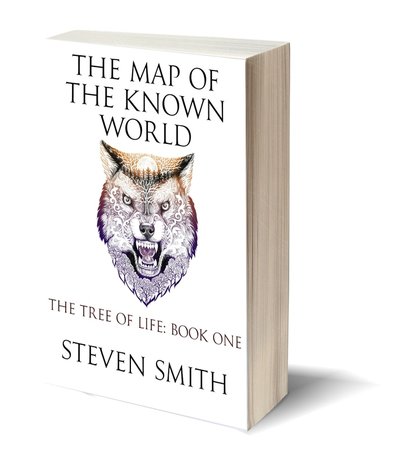
Fantasy novels deal with momentous events, and war is often prominent. As well as being exciting set pieces, battles allow authors to put pressure on their characters, to test them, to see how they react before, during and after the fighting.
In all my fantasy novels I have written about battles – from the muskets and cannons used in The Tree of Life trilogy, to the warfare of the Dark Ages in This Sacred Isle. So in this post I am going to explore the key things you need to consider when writing a fantasy battle – to illustrate certain points I’ll use example from books and films (please note there are mild spoilers). Rules of engagement Before beginning to write your fantasy battle you must know the rules by which it will take place. By this I mean you must have established the level of military technology and any magical aspects. Yes, be as imaginative as you like: for example, legions of flying dragons are fine as long as they are consistent to the internal logic of your story. Do not allow your characters to suddenly gain miraculous access to weapons or skills hitherto unmentioned in the book. Establish your rules and stick to them. And of course you must know and articulate why the battle is taking place, and what the combatants are hoping to achieve. These reasons must be consistent with the themes of your novel – do not add a battle to your story just because you think it will be dramatic and exciting. The battle must come from the politics, history and environment of your world, and be sparked into life by the choices the characters within the story make. 
Know your world
However fantastical your battle, you are likely to have some aspects that need to be portrayed realistically. Few of us have experienced combat directly, so researching weapons and tactics will give more authenticity to your writing. For example, the world in which I set my The Tree of Life series had a level of technology comparable with seventeenth century Europe. I researched weapons such as muskets, pikes and cannon – I tried to understand how these tools of war worked and how they were commonly deployed on the battlefield. Of course, not every scrap of research found its way into the book, but this information allowed me to better shape the rhythms of the battles I described. Scout the battlefield Terrain and weather all impact upon a battle, so it is important you know your battlefield. It should determine how the combatants fight and will influence who is victorious. Describe the different elements of the landscape – this will make the battle more cohesive and allow your reader to better understand what is happening and where. Weather details are important for atmosphere, mood and tone, but make sure their impact on the fighting is clear. 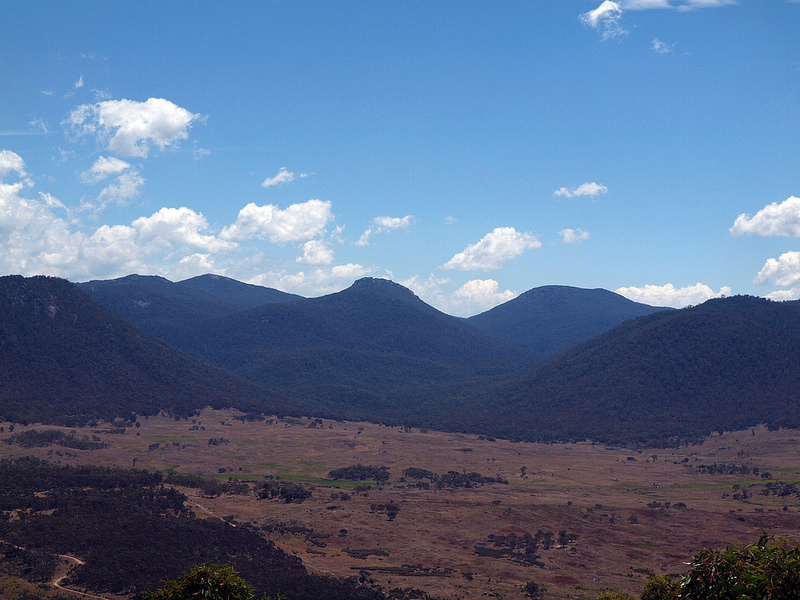
Choose your battlefield carefully. . .
Tension
What happens before the battle is just as important as the fighting itself. You must not march swiftly to war! Show your characters’ nerves, their gut-wrenching fear. In the climactic battle of This Sacred Isle, I tried to show how different characters reacted to pre-battle tension. Morcar, for example, is nervous, fearing for his life and fearful he will fail those around him. By contrast, some of the Anglo Saxon warriors are boisterous and exultant; yes, they are lovers of war but I believe such displays are a direct reaction to fear, as though by acting unafraid they hope their fear will vanish. Make sure your readers feel these reactions. Think of some of the most effective cinematic portrayals of battle. In movies such as Zulu (the battle of Rourke’s Drift) and The Two Towers (Helm’s Deep) there is a long build-up, focused on the characters, in which we feel the growing terror and oppressive weight of the struggle to come. In such films time is taken to outline what is at stake, we know what the main characters are fighting for, what they are trying to defend – this gives greater meaning to the battle. In terms of building tension, think about sound. Again, think about examples from the cinema. In Zulu, the sound of the warriors singing and pounding their spears against their shields ratchets up the fear among the isolated, outnumbered British soldiers. And in the climactic battle of Saving Private Ryan, you hear the approaching panzers (a demonic, mechanical sound) long before you see them. The audience is gripped, imagining the horrors and danger to come. In This Sacred Isle, I used the sound of the carnyx (trumpet like instruments used by Celtic tribes) to unsettle both the Anglo Saxons and (I hope!) the reader. So, do not rush into the fighting. Do not rush this moment. It is the long breath, the calm before the storm breaks. Unleashing hell – the tension breaks The tension has built. The battle is close. Your reader can hardly draw breath. Now is the time to break the tension. You don’t necessarily need a huge moment of high drama, but you do need a beat that says that now the battle is starting. It could be a challenge, it could be a bold charge, whatever sparks the combat into life, but leave the reader in no doubt: there’s no turning back now, the fighting has begun. Keep your focus Your reader needs to understand the broad scope and direction of the battle, but don’t stray from your main characters for too long or too often. Show the battle through their eyes and you’ll better express the danger, horror and excitement of the fighting. Brush too broadly and the reader will feel disconnected from the story. Consider the battle of the Hornburg in Tolkien’s The Two Towers. It is a huge battle with Orcs, Uruk-Hai, half-Orcs, Dunlendings fighting against the human Rohirrim – a vast canvas, with thousands of warriors. But Tolkien is careful to tell the struggle through the eyes of the main characters (such as Aragorn, Legolas and Gimli). Their story is the battle’s story. Throw your reader into the battle When describing a battle, you need to get in close and dirty. Don’t just say the fighting is fierce. Show the cuts and bruises on people’s faces; hear cries of pain, the clanging of swords, the roar of cannon, and smell the stink of sweat and blood. Use all the senses to immerse your reader. And do not neglect to show the emotions of the characters during the fighting. In such chaos and danger, their emotions will be jumping around; at different times they’ll feel fear, excitement, disgust, pride and shame. The characters will tire, or suffer wounds, during the battle and this will affect the way they behave. Show this range of emotions and responses, and show how it influences the decisions made by the characters. Don’t make such passages interminable – your reader can suffer from battle fatigue too – but make sure you dive into a deep description of the battle on enough occasions to clearly express the horror of the struggle. Keep raising the stakes You must keep raising the drama of your battle as it progresses. A simple way of demonstrating this is the Death Star battle at the end of Star Wars – A New Hope. See how the battle escalates beat by beat:
You can see that at each stage, the danger to our heroes increases – their chances of success diminish, reaching a point when they surely cannot win. Of course, you might be writing about a battle in which your heroes lose, but even so you should still look to keep raising the drama. Have a meaningful end If your heroes do win, don’t make it easy for them, and make sure the battle turns at least in part on their choices, their courage and cunning. If they are victorious, their victory must be earned. And show the aftermath of battle – remember Wellington’s famous words after the Battle of Waterloo: “Nothing except a battle lost can be half as melancholy as a battle won.” Show the cost of the battle: the wounds, physical and mental wounds, which may never heal. Above all, the experience of battle should change the characters, and impact on their subsequent choices and behaviour. Written properly, a battle scene can be a stirring, immersive part of your story. But as I've explained in this post, your literary battle needs to be carefully planned and executed. Combat is perhaps the greatest test you can put your characters through - if you get these scenes right, if they feel authentic and true to the themes you have developed, they can elevate your book and form a strong emotional connection with readers. Which battle in fantasy literature do you find the most powerful? Add a comment and join the conversation.
If you’re interested in my writing, you can get the ebook version of my first novel - The Map of the Known World – for FREE. Please see the following Kindle preview:
|
Archives
October 2023
Categories
All
|
 RSS Feed