|
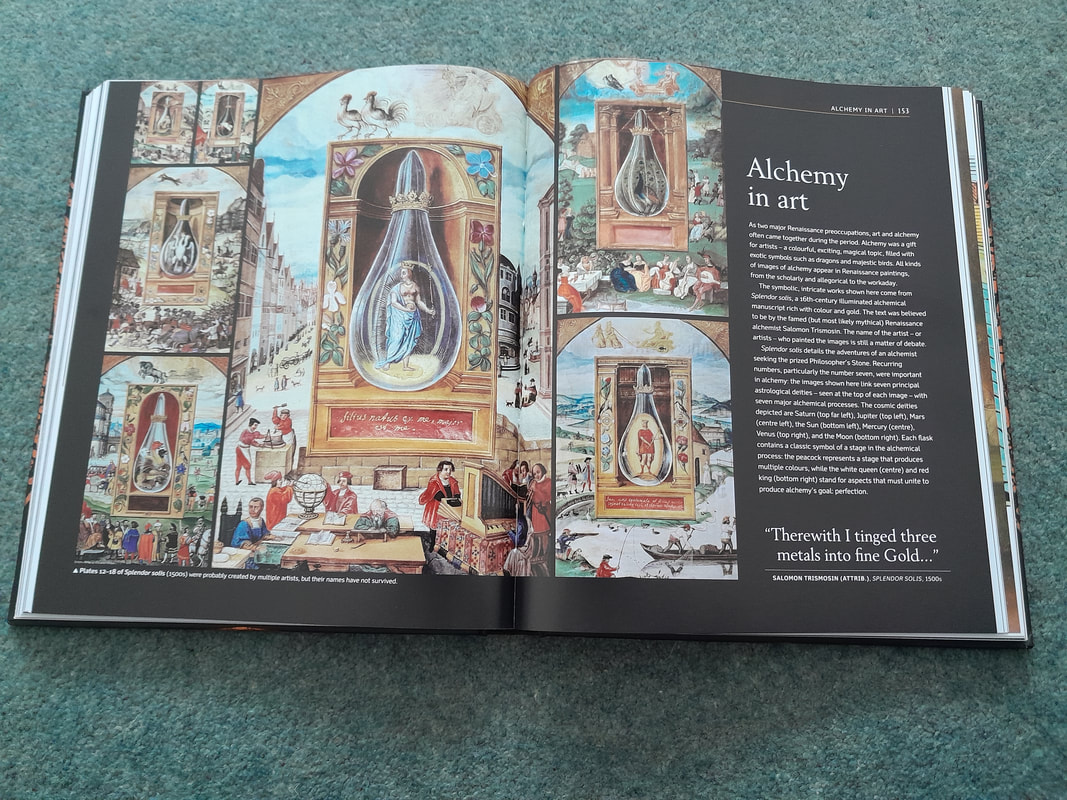
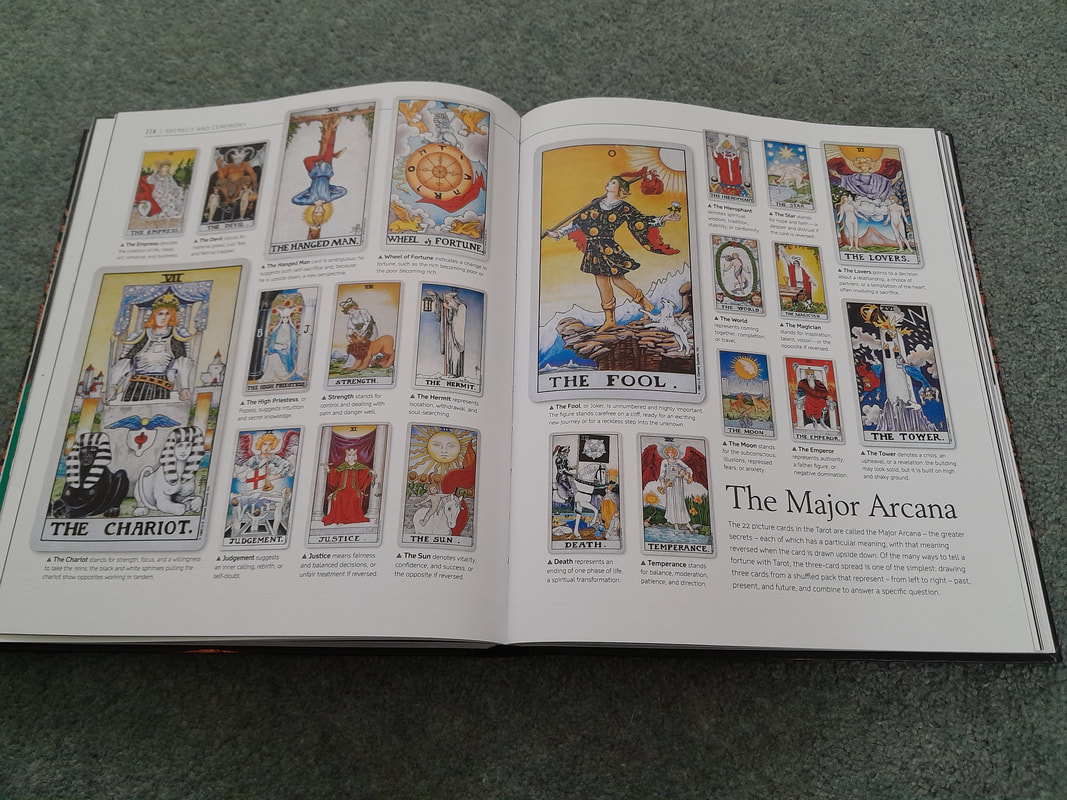
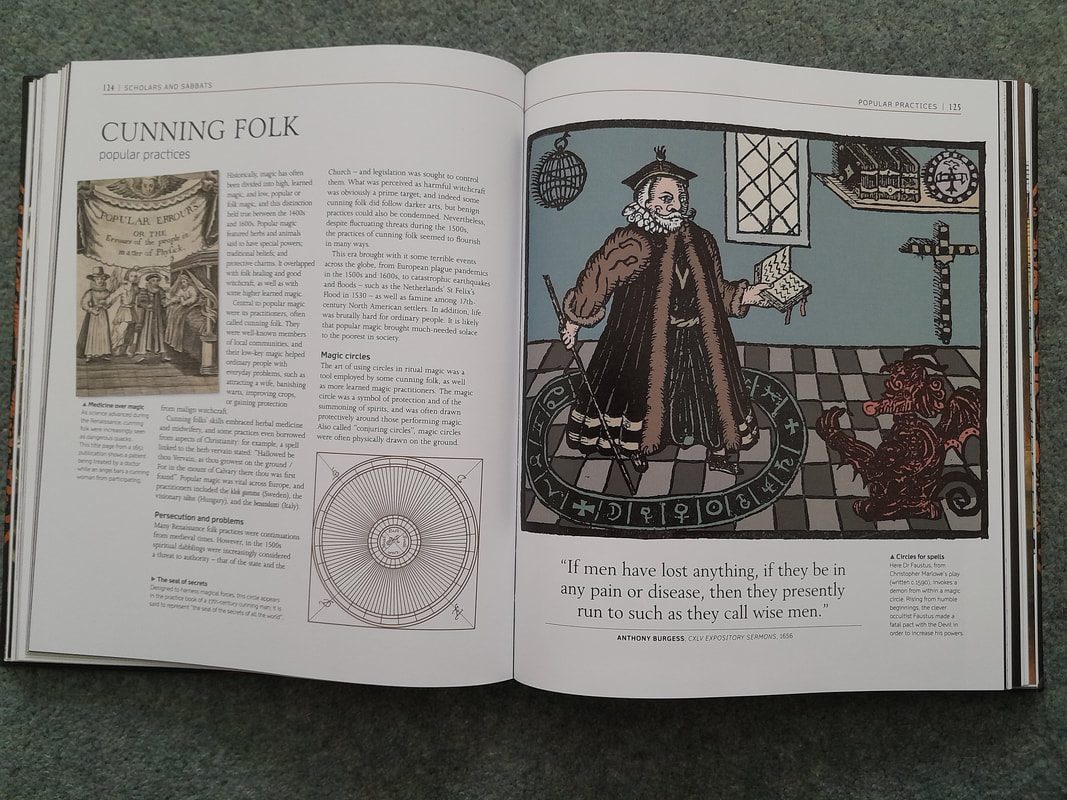
Professor Suzannah Lipscomb’s excellent foreword to A History of Magic, Witchcraft & the Occult sets the tone for this fascinating book, which explores how humans have sought to understand the universe and their place within it, and how they can appease or control spiritual forces to influence their environment. As seems to be standard with DK titles, the book is beautifully designed, with lavish illustrations (including paintings, photographs and woodcuts) and quick-fact panels to define and explain key information. The book is an intriguing journey through magical history, travelling from prehistoric times to the modern world, encompassing divination, alchemy, shamanism, Wicca and so much more. The broad historical narrative unfolds chronologically and takes a global view, drawing on cultures, beliefs and practices from across the world. There are many highlights I could mention, but I found the chapters on Mesopotamian magic (I’d also recommend The First Ghosts by Irving Finkel on this topic) and Renaissance folk magic especially engrossing. 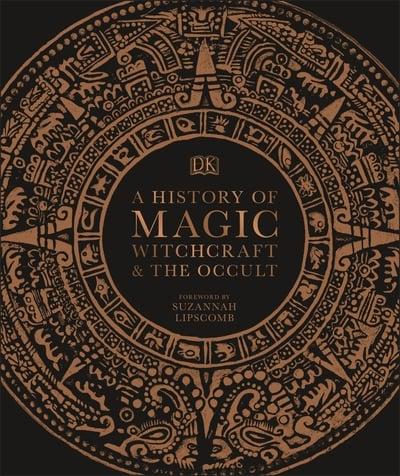 I bought the book as part of research for my latest novel, and while it has certainly proved useful in that regard, it is also a pleasure to read and there is always something unexpected to find. The sheer scope of the book inevitably means the subjects are not explored in great depth, but there is enough detail to interest the reader and to encourage further and research. A History of Magic, Witchcraft & the Occult gives the reader a good sense of the important role magical practices and beliefs have played in shaping civilisations around the world, and the ways in which they continue to enrich many people’s lives. So, whether you’re looking to discover more about the Hermetic Order of the Golden Dawn, Mayan cosmic cycles, tarot or countless other magical subjects, you’ll find something in this book to spark your imagination or inspire your creativity. If you’re interested in learning more about the history of magic, I would also recommend The History of Magic by Chris Gosden (which gives a more in-depth survey of the subject, and which I reviewed in a previous blog post), and from a British perspective, Pagan Britain by Professor Ronald Hutton and The Book of English Magic by Philip Carr-Gomm and Richard Heygate.
0 Comments
Magic. The very word itself conjures so many different ideas, images and symbols. The story of magical beliefs is as old as the history of humanity itself, and it is this vast tapestry Chris Gosden explores in his excellent book, The History of Magic – From Alchemy to Witchcraft, from the Ice Age to the Present. The scope of the book is remarkable; we journey from the Ice Age, through the earliest civilisations in Egypt, Mesopotamia and China, across the Eurasian Steppe to explore shamanism, the magics of the Americas, Africa and Australia, and the development of magic in Europe, all to the modern day. It could be easy to get lost in such an enormous canvas and there is much for the reader to absorb, but I never found the book less than highly readable. The inclusion of tables outlining the chronology of the periods being discussed adds valuable and helpful context, especially when the historical timescales are often lengthy. Through an anthropological and archaeological study of magic, Gosden argues passionately (and persuasively) for a change of mindset, rejecting the long-embedded views of magic (especially in Western perspectives) as primitive and backward. Drawing on practices and beliefs from throughout human history, Gosden asserts magic encourages a holistic, connected view of humanity, linking us to our planet through moral and practical relationships. 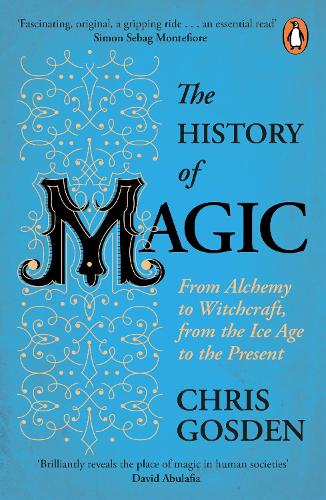 As is outlined in the book, human understanding of the mechanics of the world and the universe is often considered to be divided into three key areas of thought, starting with magic, before moving through religion to reach science, an evolution in thought. Gosden argues instead the three strands of thought form a ‘triple-helix’ and have always been interconnected and inter-reliant.
Every chapter of The History of Magic brings fresh discoveries and intriguing characters from the past (from kings, shamans, witches and many more), and underlines how magic has and remains part of the human experience I found The History of Magic a thought-provoking and spellbinding read. Written with the greatest of respect for magical practices and beliefs, it is a book of deep scholarship and of relevance to our times, and one I am sure I will return to for pleasure and inspiration. If you’re interested in the history of magic, I would also strongly recommend The Book of English Magic by Philip Carr-Gomm & Richard Heygate, a gripping and fascinating work. |
Archives
October 2023
Categories
All
|
 RSS Feed